
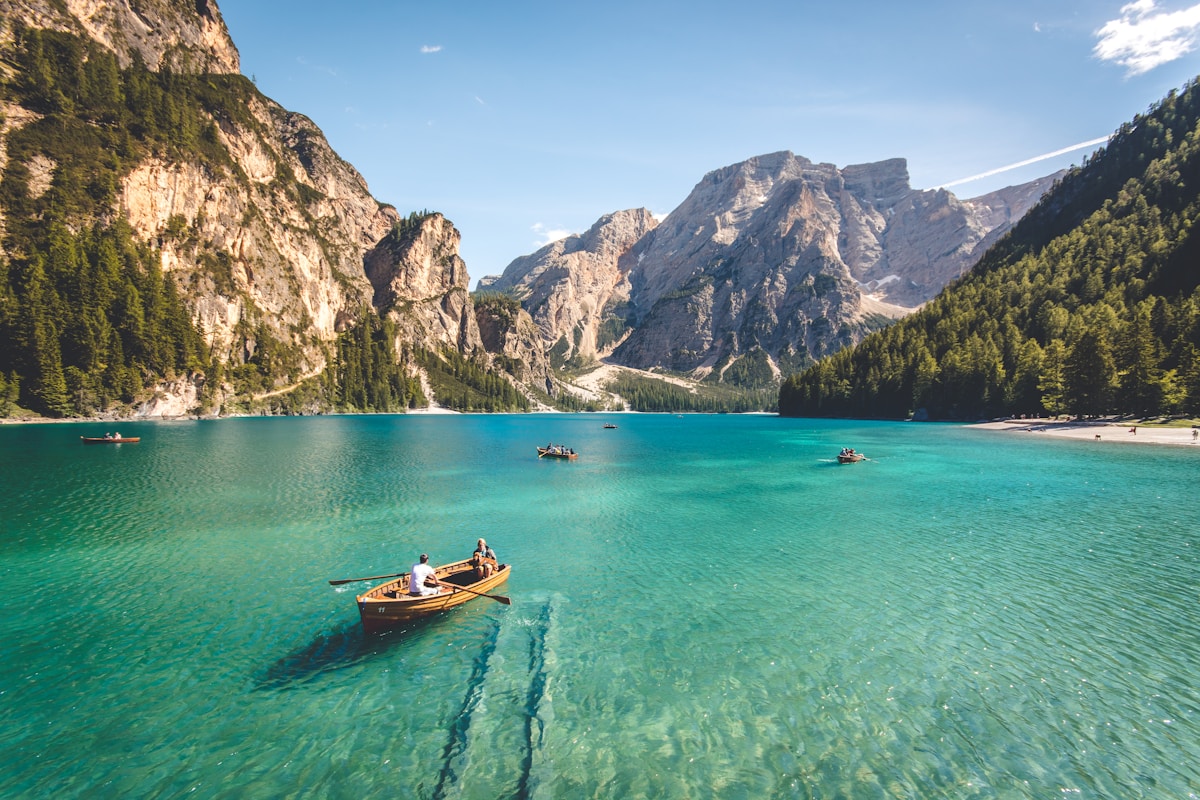
Quick answer: When is the best time for a destination wedding?
The best months for a destination wedding depend entirely on the country. For Mediterranean Europe (Italy, Greece, Spain, Croatia, Portugal): May-June and September-October. For tropical Asia (Thailand, Bali, Sri Lanka): December-March. For Iceland and Norway: June-August (midnight sun) or September-March (northern lights). For the Southern Hemisphere (New Zealand, South Africa): November-March. Shoulder season (just before or after peak) typically saves 20-30% on venue and vendor costs while offering excellent weather.
Why timing matters more than you think
The month you choose for your destination wedding affects everything: the light in your photos, the temperature during your ceremony, whether your guests are comfortable or melting, venue availability, vendor pricing and even the mood of the entire celebration. Get the timing right and your wedding feels effortless. Get it wrong and you could be dealing with monsoon rain, 40-degree heat, fully booked venues and peak-season pricing that blows your budget.
This guide covers all 24 countries on our platform with specific month-by-month recommendations based on weather data, vendor pricing patterns and real feedback from couples who married there. We include peak season (best weather, highest prices), shoulder season (great weather, lower prices) and off-season (budget-friendly but with weather trade-offs) for every destination.
Three factors that determine the best month
1. Weather and daylight
The obvious one — but it goes deeper than just "avoid rain." Temperature matters enormously for outdoor ceremonies. Guests in suits and formal dresses struggle above 33 degrees. Wind can ruin hairstyles and blow decorations. Humidity affects makeup, flowers and comfort. Daylight hours determine when you can have golden-hour photos — in Scandinavia in June you get midnight sun, while in December you have only 4-5 hours of daylight. Cloud cover creates different moods: dramatic and moody in Iceland, unwelcome in Santorini. Rain risk varies enormously — a December wedding in Thailand has virtually zero rain risk while October in Greece has perhaps a 15% chance of showers. Always check monthly rainfall statistics for your specific destination, not just regional averages.
2. Pricing and availability
Peak season means premium prices — often 30-50% more than shoulder season for the same venue. Popular venues in Santorini, Tuscany and the Amalfi Coast book 12-18 months ahead for June-September. Shoulder season (May, early June, late September, October) offers nearly identical weather at significantly lower cost with better vendor availability. Off-season can save 40-60% but comes with weather risks. The sweet spot for most European destinations: late May or early October. For tropical destinations: November or late March (bookending the peak dry season). A concrete example: a popular Santorini venue charges EUR 5,000 for a Saturday in July but EUR 3,200 for the same Saturday in late September — identical sunset, similar temperature, 36% savings.
3. Guest experience
Your guests are investing time and money to attend. Consider: school holidays (July-August in Europe, December-January in the Southern Hemisphere), flight costs (peak travel season = expensive flights), extreme temperatures for elderly guests or small children, and local events that could make logistics difficult (or wonderfully festive). A Friday or Sunday wedding in shoulder season often gives guests the best combination of reasonable travel costs and pleasant weather. Also consider: if your destination has direct flights from your home country, guest attendance will be significantly higher than if it requires connections. A 2-3 hour direct flight feels like a holiday; a 12-hour journey with layovers feels like an expedition. This is why Mediterranean destinations remain so popular for European couples — short flights, familiar culture, and manageable time zones.
Month-by-month: Best destinations for each month
January
The heart of winter in Europe but perfect for tropical and Southern Hemisphere destinations. Thailand is at its absolute best — dry, sunny, 28-32 degrees. Sri Lanka (west and south coasts) offers excellent beach weather. New Zealand is in the middle of summer with long warm days perfect for outdoor ceremonies. Dubai has ideal 24-26 degree weather. South Africa is warm and lush with Cape Town at its best. Avoid: all of Mediterranean Europe (cold, grey, many venues closed).
February
Similar to January with tropical destinations at peak. Maldives has its best weather of the year with calm seas and maximum sunshine. Costa Rica is in dry season with lush green landscapes. Morocco is pleasantly mild (18-22 degrees) — perfect for Marrakech riads and Sahara desert ceremonies without summer heat. Valentine month adds a romantic dimension to February weddings.
March
The transition month — spring begins in Southern Europe while tropics remain excellent. Jamaica and Dominican Republic have perfect beach weather before the hurricane season. Bali is transitioning out of wet season — still occasional showers but everything is lush and green. Southern Europe starts warming but is still unreliable for outdoor ceremonies. Iceland offers the last chance for northern lights combined with increasing daylight.
April
Spring blooms across Europe — cherry blossoms in France, wildflowers in Portugal and Spain. Temperatures are pleasant (18-24 degrees) without the summer heat and crowds. This is the start of shoulder season for Mediterranean destinations — excellent value with good weather. Turkey (Cappadocia, Antalya) is stunning in spring. Morocco is ideal. Warning: Easter dates vary and can affect pricing and availability.
May
The single best month for Mediterranean weddings if you want great weather, reasonable prices and availability. Italy (Tuscany, Amalfi, Lake Como) is warm but not hot (22-27 degrees), with long evenings and beautiful light. Greece is perfect — Santorini has clear skies without July heat. Croatia (Dubrovnik, Hvar) offers crystal-clear seas at shoulder-season prices. Portugal is sunny and green. Spain has comfortable temperatures throughout. This is also when Iceland starts its summer season with increasingly long days.
June
Peak season begins across Europe. Norway and Iceland have midnight sun — you can exchange vows at 11pm in golden light. Faroe Islands have their best weather (relatively speaking). France (Provence lavender starts blooming late June). All Mediterranean destinations are excellent but prices are rising. Early June is often the sweet spot — summer weather at spring prices. Switzerland Alpine meadows are in full bloom.
July
High summer across Europe — hot, sunny, expensive. France has lavender fields in full purple bloom (Provence). Iceland and Faroe Islands are at their warmest (12-15 degrees). Warning: Mediterranean temperatures can exceed 35 degrees — outdoor ceremonies should be scheduled for late afternoon or evening. Greece and southern Spain can be uncomfortably hot. August in Italy is when locals go on holiday — some venues and vendors are unavailable.
August
The hottest and most expensive month in Southern Europe. Many European vendors take holiday in the first two weeks. Iceland is still excellent. Norway remains beautiful. Avoid outdoor ceremonies in midday Mediterranean heat — schedule them after 17:00. This is school holiday month in most of Europe, so guest travel may be easier but more expensive. Bali is in dry season and excellent. South Africa is in winter — still mild in Cape Town (15-18 degrees) but shorter days.
September
The golden month for Mediterranean weddings. Heat subsides, light is extraordinary, the sea is at its warmest (perfect for beach photos), and prices drop 20-30% from July-August. Italy, Greece, Croatia, Portugal and Spain are all superb. Turkey is ideal. Morocco starts cooling to comfortable temperatures. This is also when Iceland northern lights season begins — the magical combination of colourful autumn landscapes and aurora borealis. Possibly the single best month for a destination wedding overall. If you can only choose one month and want to maximise your options, September gives you the widest range of excellent destinations across Europe, North Africa and the beginning of Nordic aurora season.
October
Shoulder season excellence in the Mediterranean. Weather is still warm (20-26 degrees), crowds have thinned dramatically, and prices are at their most favourable. Portugal (Algarve) often has the best October weather in Europe. Greece (Crete, Rhodes) remains warm. Italy is harvest season — vineyards are golden, truffle season begins in Tuscany. Morocco is perfect. Risk: some Greek islands start closing for the season in late October. New Zealand enters spring — beautiful wildflowers and mild temperatures.
November
The bridge month — Europe winds down while the tropics begin their best season. Thailand starts its dry season. Dubai becomes pleasant (25-28 degrees) after the extreme summer heat. Sri Lanka west coast enters its best period. South Africa starts summer — Cape Town is increasingly warm and beautiful. New Zealand is in full spring. Mediterranean Europe: getting cool and rainy — only southern Spain and Portugal still offer reasonable outdoor wedding weather.
December
Winter wonderland or tropical escape — no middle ground. Iceland is at peak northern lights season with dramatic ice caves and snowy landscapes — magical for winter elopements. Switzerland and Norway offer fairy-tale snowy mountain ceremonies. Thailand, Sri Lanka, Maldives and Costa Rica are at their tropical best. Dubai has perfect weather. Holiday period pricing applies everywhere — book well in advance.
Country-by-country season guide
Mediterranean Europe
Italy — Peak: June-September. Best value: May and October. Avoid: November-March (cold, many venues closed). Sweet spot: late May or mid-September. Tuscany vineyards are golden in September-October (harvest season). Amalfi Coast is most pleasant in May-June before extreme summer heat. Lake Como is best June-September. Average temperature in peak: 28-33 degrees. August is notoriously difficult — many Italian businesses close for Ferragosto (August 15), meaning some vendors and even restaurants may be unavailable. If you must do July-August, Lake Como and northern Italy are cooler than the south. Budget tip: a Tuscany wedding in October costs 30-40% less than the same venue in June and the autumn colours are spectacular.
Greece — Peak: June-September. Best value: May and October. Sweet spot: early June or late September. Santorini can hit 35+ degrees in July-August — schedule ceremonies for sunset. Crete stays warm longer (through October). Islands like Mykonos and Santorini are extremely busy July-August. Mainland Greece (Athens, Peloponnese) works April-October. Warning: Meltemi winds (strong northern winds) blow July-August and can affect outdoor ceremonies on exposed islands like Mykonos and Paros. Santorini is somewhat sheltered but not immune. Crete, Rhodes and the Peloponnese mainland are less affected. Budget tip: Greek island prices drop 40% or more in October while temperatures remain around 22-25 degrees — making it Europe best late-season bargain for beach weddings.
Spain — Peak: June-September. Best value: May, October. Sweet spot: early June or late September. Southern Spain (Andalusia, Marbella) can exceed 40 degrees in July-August. Northern Spain (Mallorca, Barcelona) is more moderate. Spain has the longest outdoor wedding season in Europe — April through early November in the south. Off-season: December-February is mild in the Canary Islands (20-24 degrees year-round).
France — Peak: June-September. Best value: May, October. Sweet spot: late June (lavender starts blooming in Provence). Provence lavender peaks early-mid July. Paris is best in May-June or September (avoid August when Parisians leave). Loire Valley castles: May-September. Riviera: June-September but expensive. Note: 40-day residency requirement for legal marriage — most couples do symbolic ceremony.
Portugal — Peak: June-September. Best value: April-May, October. Sweet spot: September-October (warmest autumn in Europe). Algarve has 300+ sunny days per year. Lisbon is excellent May-October. Sintra is best April-June (green, flowers). Porto: May-September. Portugal often has the best October weather in Western Europe — a serious advantage for late-season weddings.
Croatia — Peak: July-August. Best value: May-June, September. Sweet spot: early September. Dubrovnik is extremely crowded July-August (cruise ships) — avoid if possible. Hvar and the islands are best June-September. Split works May-October. Croatian coast is warmest September-early October (sea retains summer heat). One of the simplest legal processes in Europe for destination weddings — minimal documentation, no residency requirement, and ceremonies can be arranged in 1-2 weeks. The Dalmatian coast also offers excellent gastronomy (fresh seafood, local wines) at prices significantly below comparable Italian venues. Legal guide: Legally valid marriage abroad.
Turkey — Peak: June-September. Best value: April-May, October. Sweet spot: May or September-October. Cappadocia balloon season is year-round but spring and autumn have the most stable air for flights. Antalya coast: April-November. Istanbul: April-June, September-November (summer is hot and humid). Turkey offers exceptional value compared to Western Europe year-round.
Nordic and Northern Europe
Iceland — Two distinct seasons for weddings. Summer (June-August): midnight sun, green landscapes, waterfalls in full flow, temperatures 10-15 degrees. Best for outdoor ceremonies and landscape photography. Winter (September-March): northern lights, ice caves, dramatic snow, temperatures -5 to 5 degrees. Best for northern lights ceremonies and dramatic winter photos. Sweet spot: September (autumn colours + first northern lights + reasonable daylight). Year-round destination — just different experiences. A summer Iceland wedding with midnight sun feels completely different from a winter northern lights ceremony — both are extraordinary. The Ring Road is fully accessible June-September. In winter, some roads close but the most popular ceremony locations (Golden Circle, Vik, Jokulsarlon) remain accessible. Budget tip: shoulder months (May, September) offer the best of both worlds — reasonable daylight, possible northern lights, and lower prices than peak summer.
Norway — Peak: June-August (midnight sun). Best for fjord and mountain ceremonies. Lofoten Islands are most accessible and beautiful June-September. Tromsø: northern lights September-March. Bergen and fjords: May-September. Winter weddings in northern Norway with northern lights are increasingly popular. Temperature in summer: 15-22 degrees. Winter: -5 to 5 degrees in the north.
Faroe Islands — Best: May-September (longest days, mildest weather). The Faroes are never warm — expect 8-14 degrees even in summer — but the long daylight hours and dramatic landscapes compensate. Weather is unpredictable year-round — embrace it. Winter is extremely dark and stormy but offers a raw, dramatic atmosphere for adventurous couples.
Switzerland — Summer: June-September (alpine meadows, hiking, outdoor ceremonies). Winter: December-March (snow, ski resorts, cosy mountain lodges). Sweet spot: September (warm, clear, autumn colours beginning). Zermatt and the Matterhorn: June-September for clear views. Interlaken: year-round but best June-October. Lake Geneva region: May-October. Swiss weather can change quickly in the mountains — always have an indoor backup plan. Mountain venues often provide both outdoor terraces and indoor spaces for exactly this reason. The Swiss wedding industry is highly professional but expensive — expect EUR 8,000-15,000 minimum for even modest celebrations. The payoff is some of the most spectacular mountain scenery on Earth as your ceremony backdrop. Accessible from all major European cities by direct flights or scenic train rides (the Glacier Express route is itself a wedding-worthy experience).
Tropical Asia
Thailand — Dry season: November-April (best). Wet season: May-October (lower prices, occasional heavy showers). Sweet spot: December-February (dry, not too hot). Koh Samui has a different microclimate — driest February-September. Phuket and Krabi: November-April. Warning: full moon party dates on Koh Phangan can affect nearby island availability and noise levels. For Koh Samui weddings, check the lunar calendar. Thailand is one of the world most affordable luxury wedding destinations — a five-star resort wedding for 30 guests can cost less than EUR 8,000 including catering. The Thai wedding industry is extremely experienced with international couples and English is widely spoken at tourism-level establishments.
Bali — Dry season: April-October (best). Wet season: November-March (afternoon showers, lush greenery). Sweet spot: May-June or September (dry, fewer tourists than July-August). Ubud rice terraces are greenest in wet season. Uluwatu cliff temple: year-round but calmest seas April-October. Budget tip: wet season elopements save 30-40% with still-beautiful conditions.
Sri Lanka — Complicated climate with two monsoons. West and south coasts: best December-April. East coast: best May-September. Sweet spot for west coast: February-March. Hill country (Kandy, Ella): year-round but driest January-April. Sri Lanka is a year-round destination if you choose the right coast.
Vietnam — Best: February-April for most regions. Central coast (Hoi An, Da Nang): February-August. Halong Bay: October-December for misty, dramatic landscapes or March-May for warm and clear. Vietnam spans multiple climate zones — research your specific destination carefully.
Maldives — Dry season: November-April (best). Wet season: May-October (lower prices, possible storms). Sweet spot: January-March (calmest seas, best visibility, maximum sunshine). The Maldives is almost exclusively an elopement/intimate wedding destination due to resort-island format.
Caribbean and Central America
Mexico — Dry season: November-April (best). Wet/hurricane season: June-November. Sweet spot: December-February (dry, warm, festive). Tulum and Riviera Maya: November-April. Los Cabos: year-round (desert climate). Warning: September-October is peak hurricane risk — avoid for outdoor weddings.
Jamaica — Best: December-April (dry season). Hurricane season: June-November. Sweet spot: January-March. Year-round warmth (27-32 degrees). Only 24 hours required on the island for a legal marriage — one of the simplest processes worldwide.
Dominican Republic — Best: December-April. Hurricane season: August-November. Sweet spot: February-March. Punta Cana: year-round but driest December-April. Budget-friendly all-inclusive resort weddings.
Costa Rica — Dry season: December-April (best). Green season: May-November (lush, occasional showers, lower prices). Sweet spot: December-January. Manuel Antonio and Pacific coast: driest December-April. Arenal volcano region: year-round (always some rain). Green season weddings save 25-35% with stunning lush backdrops.
Africa and Middle East
South Africa — Summer (November-March): best for Cape Town and Garden Route. Dry season/winter (May-September): best for safari regions (Kruger). Sweet spot for Cape Town: January-March (warm, dry, long evenings). Winelands (Stellenbosch): February-April (harvest season). Remember: Southern Hemisphere — seasons are reversed from Europe. A February wedding in Cape Town gives you warm summer weather while your European guests escape winter. The combination of wine country ceremonies (Stellenbosch, Franschhoek) with safari honeymoon options (Kruger, Pilanesberg) makes South Africa one of the most versatile destination wedding countries in the world. Currency advantage: the rand is favourable for European couples, making South Africa exceptional value for luxury venues.
Morocco — Best: March-May and September-November (mild). Avoid: June-August (extreme heat, especially Marrakech at 40+ degrees). Sweet spot: April or October. Sahara desert ceremonies: October-April (summer is unbearable). Marrakech riads: year-round but most pleasant spring and autumn. Coastal cities (Essaouira): year-round mild climate with cooling Atlantic breezes. Morocco offers extraordinary value — luxury riad weddings in Marrakech with full catering cost a fraction of equivalent European venues. The country is easily accessible from Europe (2-3 hour flights from most capitals) and offers a genuinely unique cultural experience for guests who may have attended dozens of European weddings.
Dubai — Best: November-March (24-28 degrees, sunshine). Avoid: May-September (extreme heat, 40-50 degrees). Sweet spot: December-February. Dubai offers guaranteed sunshine and luxury infrastructure. Everything is air-conditioned so summer is technically possible for indoor-only weddings — but outdoor ceremonies and photos are only realistic October-April.
Oceania
New Zealand — Summer (December-March): best overall. Autumn (April-May): golden colours, mild temperatures. Sweet spot: February (warmest month). Queenstown: year-round but summer for hiking and outdoor access. Wanaka: November-April. Remember: Southern Hemisphere summer = European winter. This means a New Zealand wedding is perfect if you want to escape the northern winter for your celebration. Queenstown is the elopement capital of New Zealand with helicopter access to spectacular mountain ceremony spots. The Wanaka area offers a more intimate alternative. New Zealand has one of the world simplest marriage processes — a digital licence can be obtained online before arrival. Elopement guide: Complete elopement guide.
Peak vs shoulder vs off-season: Price impact
The financial difference between seasons is significant. Here is the typical impact on total wedding cost compared to peak season pricing:
Peak season (June-August in Europe, December-February in tropics): 100% — full prices, highest demand, book 12-18 months ahead. Shoulder season (May, September-October in Europe, November and March-April in tropics): 70-80% of peak — excellent weather, good availability, book 6-12 months ahead. Off-season (November-March in Europe, May-October in tropics): 50-65% of peak — weather trade-offs, maximum availability, book 3-6 months ahead.
For a typical Mediterranean wedding costing EUR 15,000 in peak season, the same venue and vendors in shoulder season would cost approximately EUR 10,500-12,000 — a saving of EUR 3,000-4,500 for often equally beautiful weather. More details in our complete cost guide: What does a destination wedding cost?
Weather risks by region
Hurricane season (Caribbean, Mexico): June-November, peak August-October. Travel insurance is essential. Many resorts offer hurricane guarantees with free rescheduling. Monsoon (Southeast Asia): varies by country — generally May-October. Usually afternoon showers rather than all-day rain. Extreme heat (Mediterranean July-August, Dubai May-September): schedule outdoor ceremonies after 17:00. Provide shade, fans and water for guests. Meltemi winds (Greek islands July-August): strong north winds that can affect outdoor setups — check your specific island. Fog and rain (Nordic, Iceland): unpredictable year-round — embrace it as atmosphere rather than fighting it.
How to decide: A simple framework
Step 1: Choose your destination first based on style and budget (use our destination comparison guide). Step 2: Look at the shoulder season months for that destination — they almost always offer the best value-for-experience ratio. Step 3: Check your guests' availability — school holidays, major work periods. Step 4: Book 9-12 months in advance for shoulder season, 12-18 months for peak. Step 5: Always have an indoor backup plan for outdoor ceremonies — weather is never guaranteed. Even in the driest month, a sudden shower is always possible. The best venues offer seamless indoor-outdoor transitions so a weather change feels like part of the adventure rather than a disaster.
Pro tip: if you are flexible on the exact date, ask your venue about midweek availability. Tuesday through Thursday weddings in shoulder season often come with additional discounts of 10-20% and give you near-exclusive access to popular venues. Your guests may also find cheaper flights on midweek dates.
Full planning checklist: Plan your destination wedding step by step
Wedding seasons at a glance: Quick reference
Best all-round months: May and September — excellent weather across most destinations with shoulder-season pricing.
Best for budget: October-November (Mediterranean), May-June (tropical Asia), March-April (Caribbean) — shoulder or early off-season in each region.
Best for guaranteed sunshine: July-August (Mediterranean, but hot and expensive), December-February (tropical destinations).
Best for dramatic photos: September-October (golden light, autumn colours), December-March in Iceland (northern lights), June-August in Norway (midnight sun).
Best for guest comfort: May-June and September (temperatures 22-28 degrees in most destinations — warm enough for outdoor ceremonies without being uncomfortably hot).
Months to approach with caution: August in Mediterranean Europe (extreme heat, vendor holidays, peak pricing), September-October in Caribbean (hurricane risk), June-September in Southeast Asia (monsoon), May-September in Dubai (dangerous heat).
For beach-specific seasonal advice: beach wedding guide. And to compare how venue types affect seasonal availability: venue type comparison.
Sources and reliability
This guide is based on historical weather data, vendor pricing from our network of suppliers across 24 countries, and feedback from hundreds of couples who married abroad through our platform. Seasonal pricing estimates reflect 2025-2026 market conditions. Weather data is based on 10-year averages — individual years may vary. Last updated March 2026.